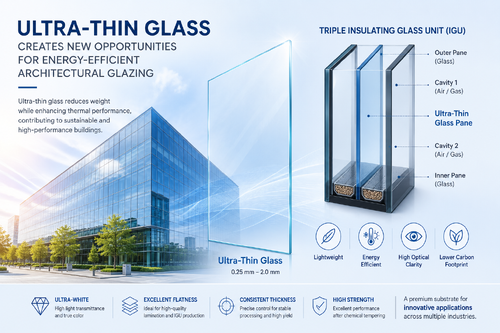
As the demand for energy-efficient and lightweight building materials continues to grow, ultra-thin glass is attracting increasing attention in the architectural glass industry. Compared with conventional glass, ultra-thin glass can significantly reduce the weight of insulating glass units (IGUs) while maintaining excellent optical performance and thermal insulation.
Recent developments in glass processing have demonstrated that, with optimized cutting, handling, and lamination technologies, ultra-thin glass can be successfully integrated into modern IGU production. These advancements are opening new possibilities for sustainable building design and high-performance glazing systems.
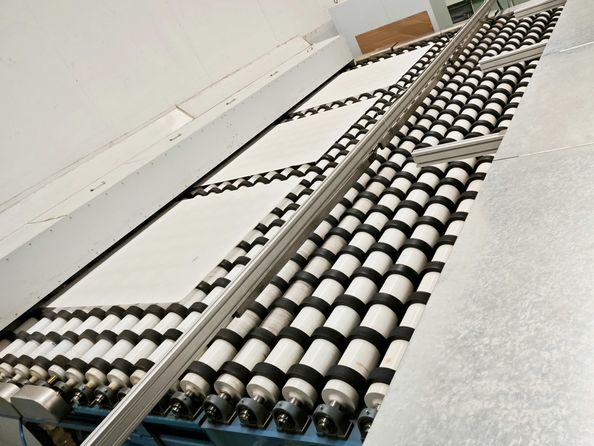
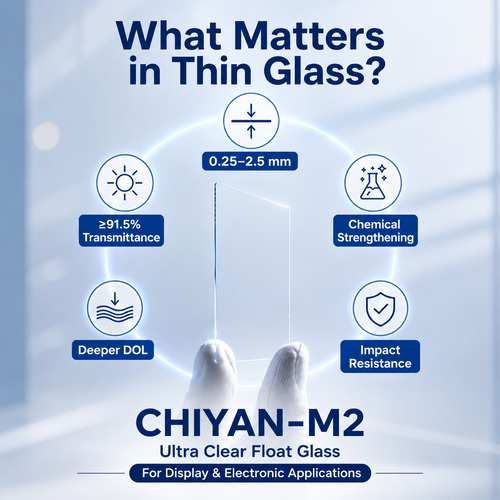
While processing technologies are essential, the quality of the original glass substrate also plays a critical role in ensuring stable production and high product performance. Consistent thickness, excellent flatness, high surface quality, and reliable mechanical properties help improve processing efficiency and reduce the risk of breakage.
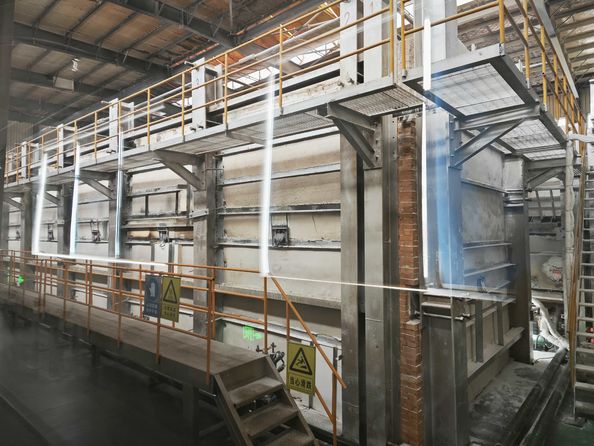
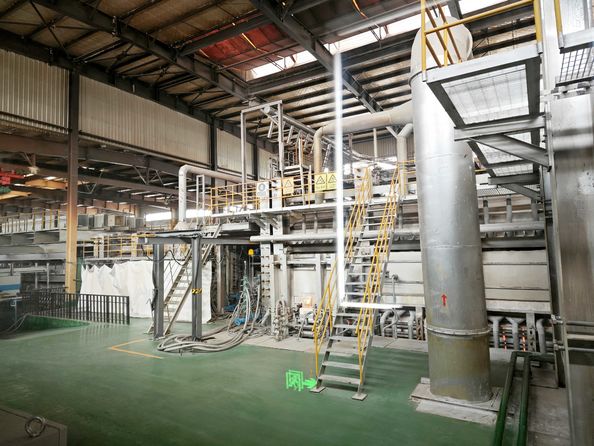
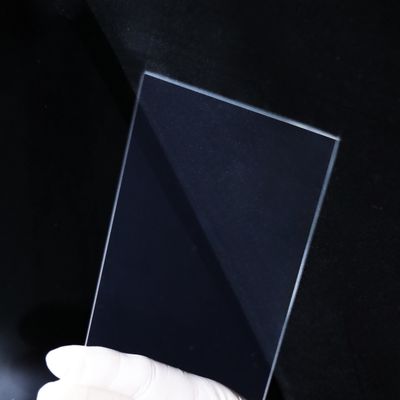
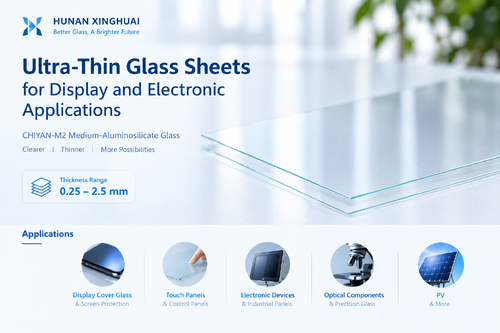
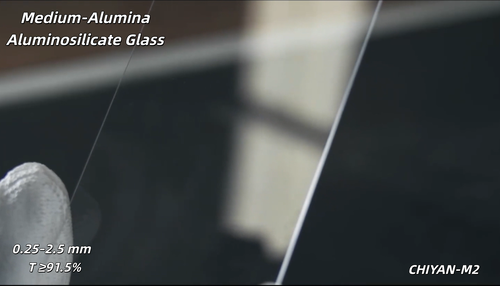
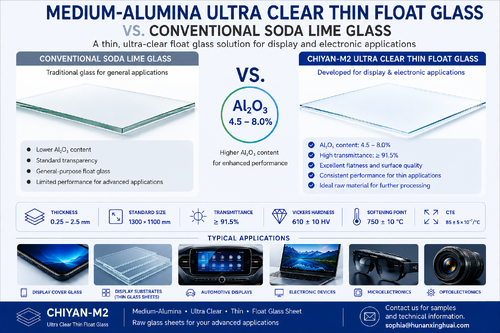
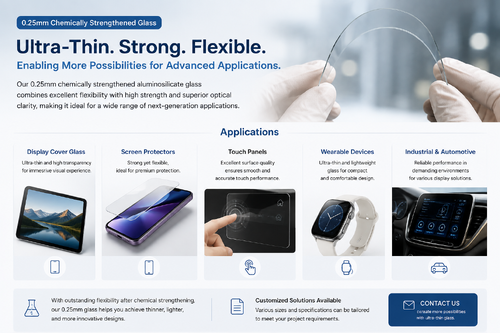
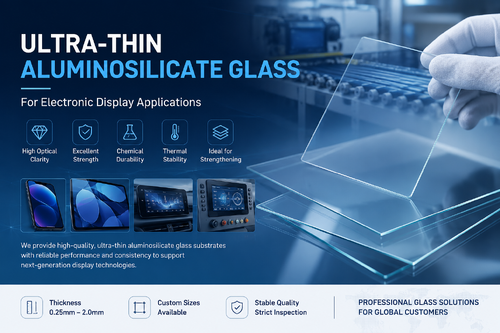
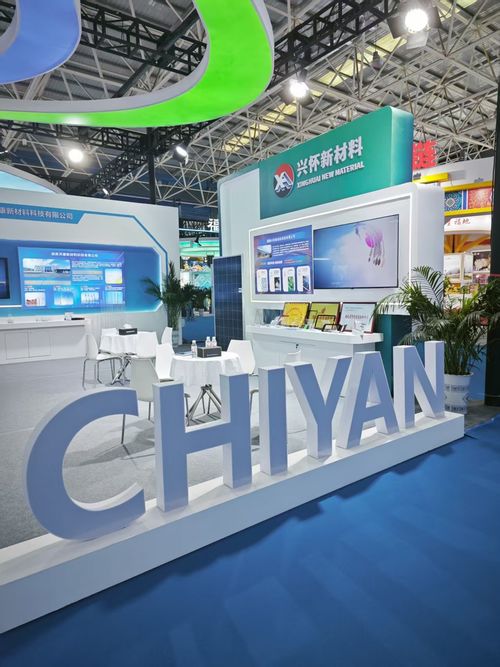
At CHIYAN Glass, we specialize in the manufacturing of ultra-white aluminosilicate glass sheets with thicknesses ranging from 0.25 mm to 2.0 mm. Our glass substrates are designed for demanding applications requiring excellent optical clarity, high surface quality, and outstanding strength after chemical tempering.
Beyond electronic display cover glass, ultra-thin glass is being explored for a growing range of applications, including:
Architectural insulating glass units (IGUs)
Smart glazing systems
Industrial touch panels
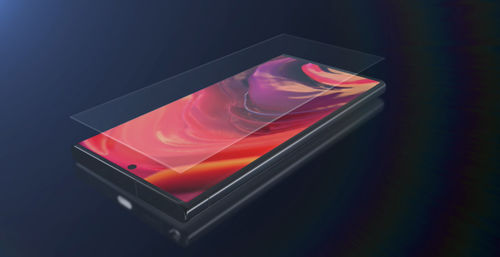
Display cover glass
Optical and precision glass applications
As lightweight and sustainable materials become increasingly important across industries, CHIYAN Glass remains committed to supplying high-quality ultra-thin glass substrates that support innovation in both existing and emerging applications.
If you are looking for a reliable ultra-thin glass supplier or would like to evaluate our aluminosilicate glass for your next project, please feel free to contact our sales team.
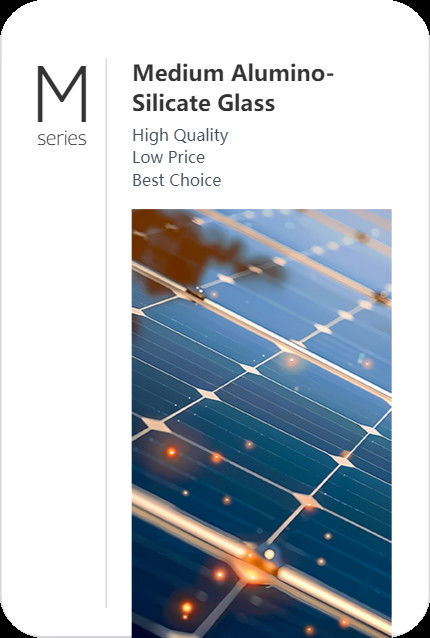
Nowadays more and more customers are pursuing lightweight products, and the same is true in the photovoltaic industry. CHIYAN-M2 Ultra Clear Alumino-silicate Glass are popular with its high light transmittance, high temperature resistance, oxidation resistance and corrosion resistance. Our ultra-thin glass is widely developed by photovoltaic customers to make their solar panels more and more light than oridinary thickness products on the market. And it is suitable for lightweight application scenarios such as floating photovoltaics, rooftop photovoltaics, and flexible mounting photovoltaics.
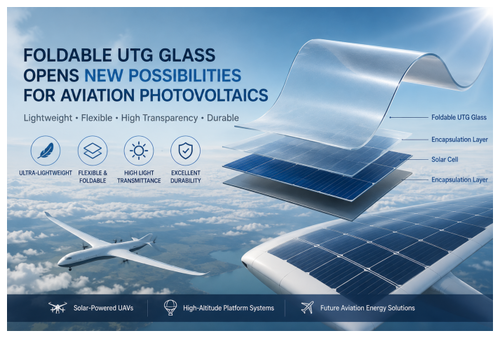
Foldable UTG Glass Opens New Possibilities for Aviation Photovoltaics
Lightweight • Flexible • High Transparency • Future Aerospace Applications
June 2026
As aerospace and renewable energy technologies continue to converge, Foldable Ultra Thin Glass (UTG) is gaining attention as a promising material for next-generation aviation photovoltaic systems.
Originally developed for foldable electronic displays, UTG combines exceptional optical performance, lightweight construction, flexibility, and durability. These characteristics are now attracting interest beyond consumer electronics, particularly in advanced solar-powered aerospace applications.
The Need for Lightweight Solar Materials
Modern aviation photovoltaic systems face a unique challenge: maximizing energy generation while minimizing weight.
Applications such as:
Solar-powered unmanned aerial vehicles (UAVs)
High-Altitude Platform Systems (HAPS)
Autonomous aerial monitoring platforms
Future electric aviation concepts
all require materials that offer both high transparency and low mass.
Traditional photovoltaic cover materials often involve trade-offs between durability, flexibility, and long-term optical performance. Foldable UTG introduces a new possibility by combining these properties within an ultra-thin glass structure.
Advantages of Foldable UTG for Aviation Photovoltaics
Ultra-Lightweight Design
With thicknesses measured in microns rather than millimeters, foldable UTG significantly reduces the weight of photovoltaic modules, helping improve flight endurance and energy efficiency.
High Optical Transparency
UTG provides excellent light transmission, enabling solar cells to capture more available energy while maintaining protective functionality.
Flexibility for Curved Surfaces
Unlike conventional rigid glass, foldable UTG can accommodate curved and aerodynamic structures, making it suitable for integration into wings, fuselages, and lightweight aerospace platforms.
Long-Term Environmental Stability
Glass-based protection offers superior resistance to UV exposure, temperature fluctuations, and environmental aging compared with many polymer-based alternatives.
Potential Applications
Solar-Powered UAVs
Long-endurance UAVs depend on lightweight energy systems. Foldable UTG may help improve photovoltaic efficiency while minimizing structural weight.
High-Altitude Platform Systems (HAPS)
Operating in the stratosphere for extended periods, HAPS aircraft require durable solar solutions capable of maintaining performance under harsh environmental conditions.
Future Aviation Energy Systems
Researchers are exploring ways to integrate solar energy into next-generation aircraft. Flexible UTG-protected photovoltaic modules may become part of future lightweight energy architectures.
Looking Ahead
Although aviation photovoltaic technology remains an emerging market, ongoing developments in foldable UTG are expanding the possibilities for lightweight solar integration.
As material science continues to advance, foldable ultra-thin glass may play an increasingly important role in aerospace energy solutions, helping support the industry's pursuit of greater efficiency, endurance, and sustainability.
For more information, please contact:
Email: sophia@hunanxinghuai.com
Website: www.displaycoverglass.com
www.chiyanglass.com
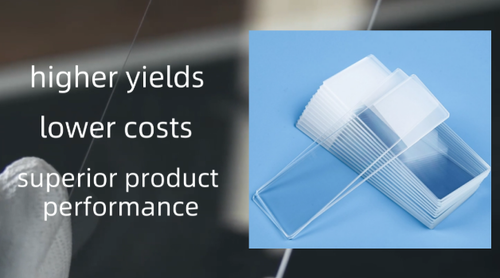
Your Trusted Partner in Microscope Slide Production
As a leading ultra-thin glass substrate supplier, we empower microscope slide manufacturers to achieve higher yields, lower costs, and superior product performance with our precision-engineered raw materials.
Why Manufacturers Choose Our Glass Substrates?
✅ Optimized for Cutting & Processing
Consistent Thickness Tolerance (±0.02mm): Minimize material waste and calibration downtime during cutting/grinding.
Low Defect Density (
Engineered for Premium Feel & Lasting Performance
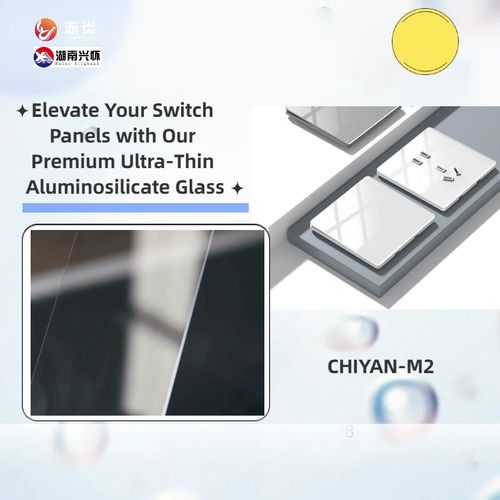
Transform Ordinary Switches into Luxury Interfaces
Our cutting-edge ultra-thin aluminosilicate glass (0.8-1.2mm) redefines switch panel excellence. Designed for high-touch surfaces, it delivers unmatched clarity, scratch resistance, and tactile sophistication that discerning customers demand.
Why Architects & Brands Choose Our CHIYAN Glass:✅ -Grade ToughnessSurpasses 9H pencil hardness to resist daily abrasions from keys, coins, and cleaning.
✅ Flawless Touch ExperienceLaser-polished edges + anti-fingerprint coating ensure smooth interaction and easy maintenance.
✅ Lighting-Ready Clarity>91.5% light transmission with
When photovoltaics encounter curved building surfaces, vehicle roofs, and even outdoor equipment, traditional thick glass and fragile polymer front panels can no longer bear the burden.
CHIYAN-M2 of Hunan Xinghuai, an ultra-thin flat glass with 0.7mm and 1.1mm thickness, specifically for flexible components. It uses the innovative material thinking of "combining rigidity and flexibility" to redefine the boundaries of lightweight and efficient power generation.
Why choose Our CHIYAN GLASS?
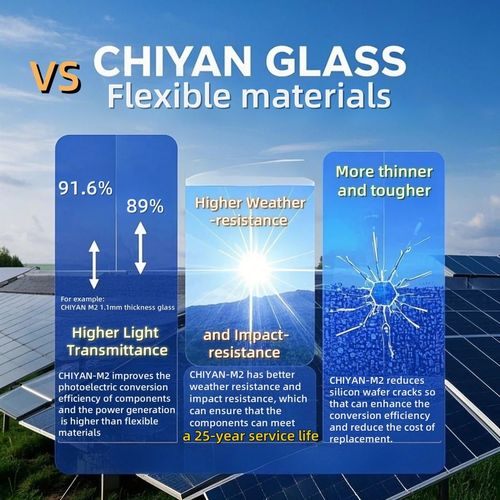
✅ **Thinner and Tougher**:Compared with flexible materials, glass reduces silicon wafer cracks caused by processing, component handling, installation, and use. Cracks will seriously reduce the conversion efficiency and the replacement cost is also high!
✅**Higher Light Transmittance**: For example, the visible light transmittance of 1.1mm CHIYAN-M2 is 91.6%, while that of flexible materials is only 89%. Our Glass greatly improves the photoelectric conversion efficiency of components compared to flexible materials, and the power generation is higher. Theoretically, for every 1% increase in transmittance, the output power of the component can be increased by 2-3%, which is a very considerable benefit.
✅ **More weather-resistant and impact-resistant**: Compared with flexible materials, CHIYAN M2 GLASS has better weather resistance and impact resistance, ensuring that the components can meet a 25-year service life;
Act Now
Click https://www.displaycoverglass.com/sale-50924147-ultra-thin-lightweight-solar-photovoltaic-glass-1-1mm.html to obtain the glass parameter manual, or submit a request to apply for 5 samples for free, and experience the disruptive front panel solution of "lightweight with more powerful"!
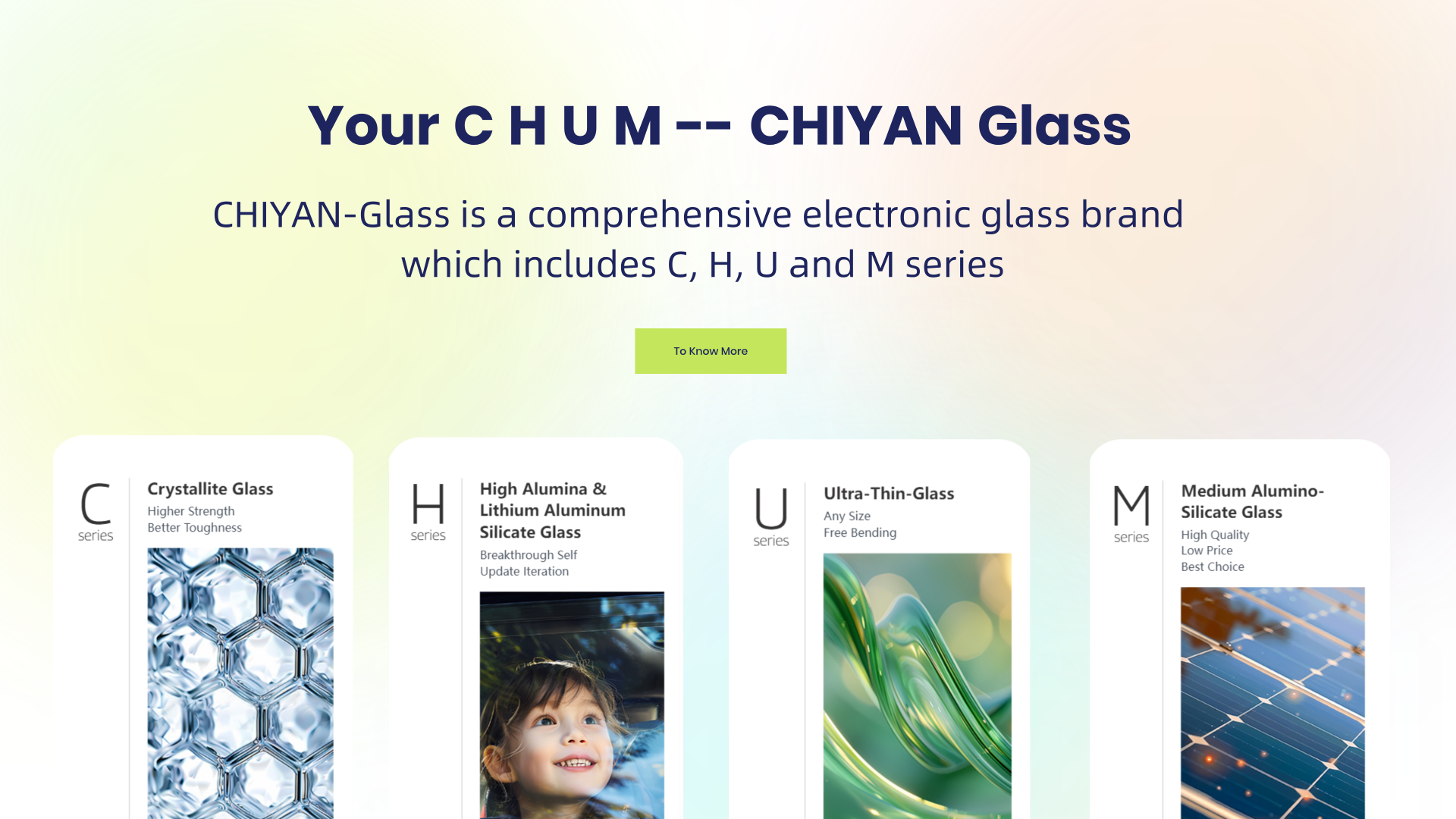
Automotive glass is an indispensable part of the car body accessories and mainly plays a protective role.There are three main types of automotive glass: laminated glass, tempered glass and regional tempered glass, which can withstand strong impact forces.Automobile glass is divided into four types according to its location: front windshield, side window glass, rear windshield and sunroof glass;The state mandates that the front windshield must be laminated glass. The side window glass is tempered glass, and the rear windshield is generally tempered glass with electric heating wires.Our CHIYAN-H series High Aluminosilicate Glass can widely used for laminated glass or tempered glass in the vehicle.The most common use of laminated glass is automobile windshields and skylight glazing.Laminated glass is a type of safety glass consisting of two or more layers of glass with one or more thin polymer interlayers between them which prevent the glass from breaking into large sharp pieces. Breaking produces a characteristic "spider web" cracking pattern (radial and concentric cracks) when the impact is not enough to completely pierce the glass.The main benefits of laminated glass are: increased safety/security, reduced emissions, reduced noise pollution, and protection during natural disasters. Laminated glass increases safety for people during vehicle accidents since their windshield will stay intact, preventing glass fragments from injuring passengers. For security, laminated glass is difficult to break, which prevents intruders. Laminated glass can also reduce heating from the sun, allow building interiors to stay cool and reducing energy consumption. Depending on its thickness, laminated glass can reduce noise pollution coming from the exterior. In natural disasters such as hurricanes or earthquakes, laminated glass will remain intact and reduce potential injuries and deaths.
Thin triple-pane insulated glass units deliver high-performance glass in a thinner, more efficient manner.These units have a much better U-value than traditional double glazing, while also solving thickness and weight issues.Thin triple-glazed insulating glass is particularly suitable for new build and refurbishment residential applications. For new construction, its reduced weight simplifies transportation and installation. And it can eliminate functional issues, such as opening and closing force issues on heavy-duty sliding windows.Perhaps the most significant difference between the thin three-layer IGU and its traditional counterpart is thickness. A traditional three-layer IGU is usually 4-5mm thick glass outer panels and 3-4mm thick middle panel. In contrast, thin units use very thin 0.5 mm glass as the middle panel. (The thickness of the single-layer TPS spacer also decreases). The reduction in thickness makes the glass overall lighter, thinner and more compact.The thickness of 0.5mm or 0.7mm of Our CHIYAN ultra-thin alumino-silicate glass can be used as middle panels.Key differences between thin triple-layer IGU and other insulating glass typesIGUs have undergone significant changes since their first use. In the 1980s, double glazed units were typically around 20mm thick. By the 2000s, Low-E three-layer IGUs were available, with a thickness of approximately 36 mm. These three-layer IGUs provide enhanced insulation but are also 50% thicker and heavier.The thin triple layer IGU has a total thickness of only 24.5mm and still maintains the same high performance as the traditional triple layer IGU.Year198020002024IGU TypeDouble-layer IGULow-E Triple-layer IGUThe thin triple layer IGUthickness20–2436 (+50%)24.5 (-32%)Weight(kg)2030 (+50%)21 (-30%)U-Value1.20.6–0.8 (-50%)0.7–0.9(Estimated value)
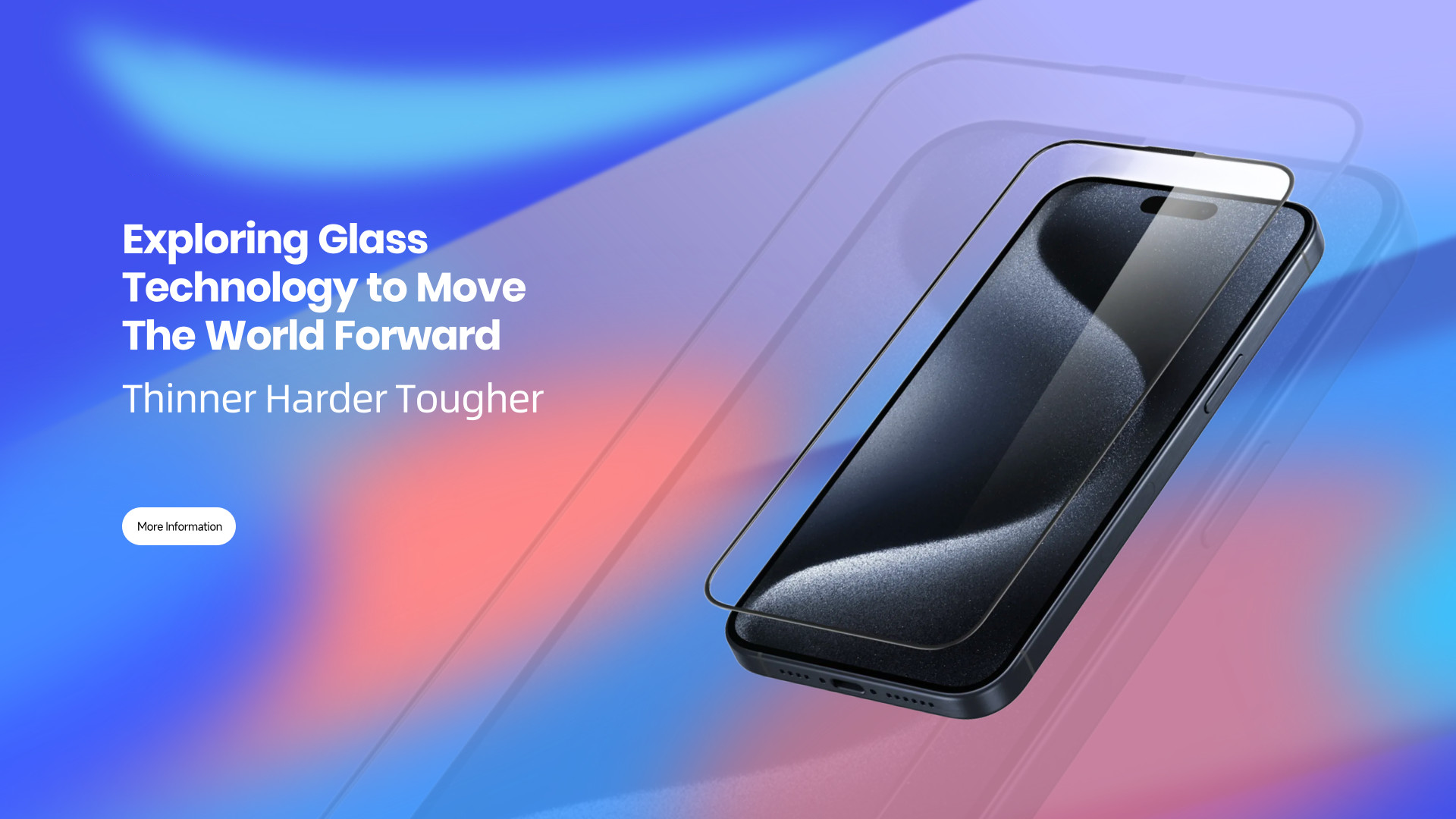
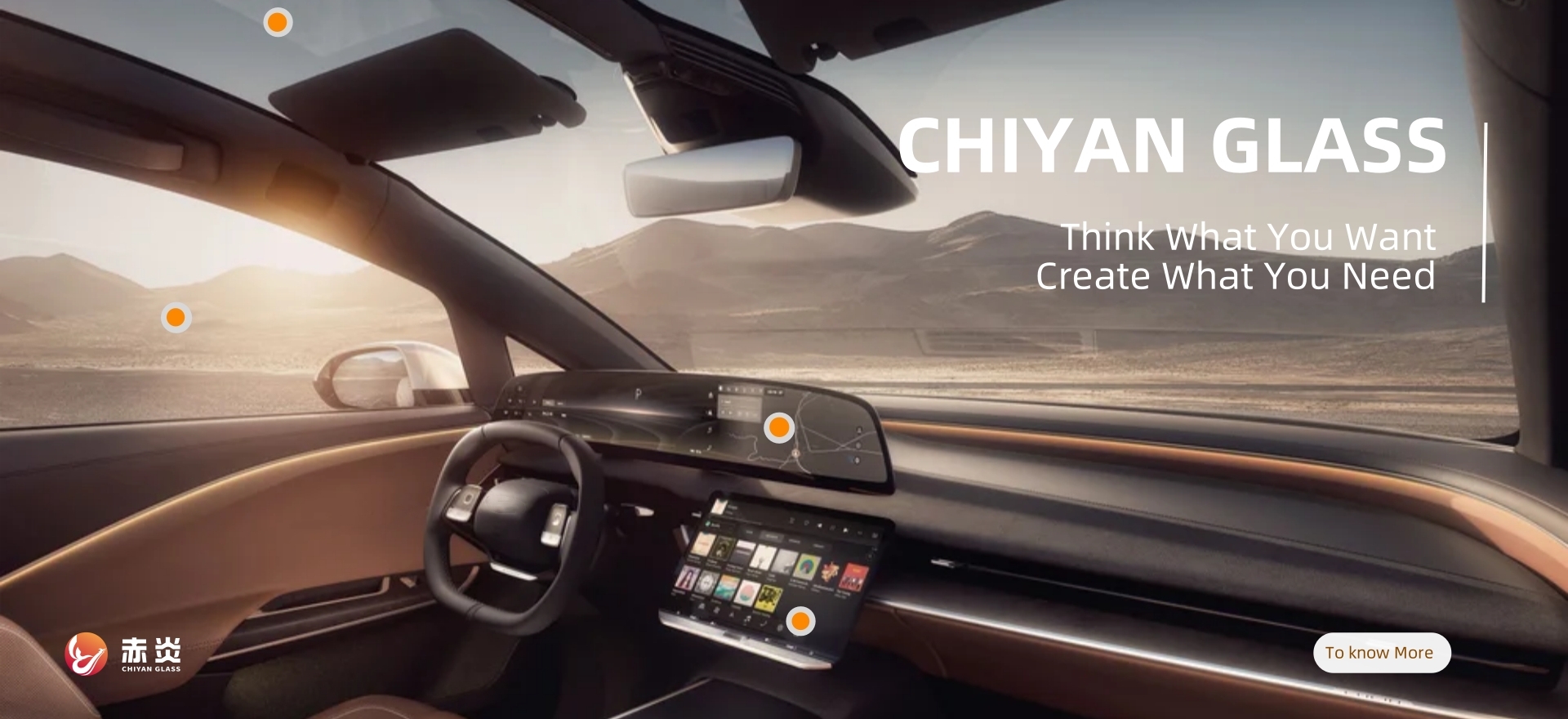
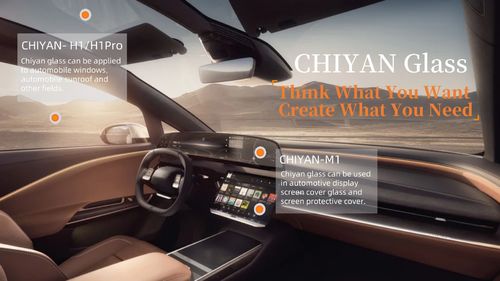
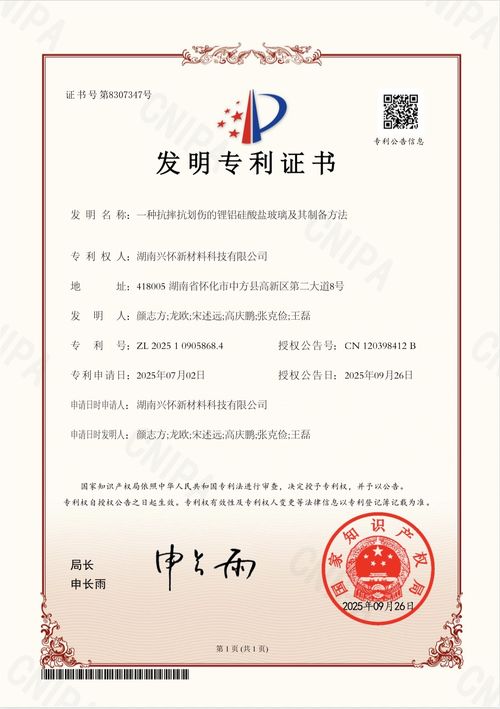
High-End Electronic Protection Glass: Superior Quality and DurabilityThe Chiyan series products (high-end environmental-friendly aluminosilicate ultra-thin glass) are independently developed and produced by our company. These products offers superior flexibility, scratch resistance, bending strength, and impact resistance, which are primarily used in consumer electronics such as smartphones, tablets, laptops, car navigation systems, dashboards, and smart home devices.Brand Philosophy: "Think What You Think, Create What You Need"Chiyan Glass takes customer needs as the driving force behind its continuous technological innovation. We aim to provide thinner, harder, and more durable electronic glass products to meet market and customer demands."Everything Displays, All with Chiyan"Chiyan Glass anticipates a future where display technologies are omnipresent. We aim to be the key supplier of core glass materials for this trend, providing the essential materials that power diverse display technologies.